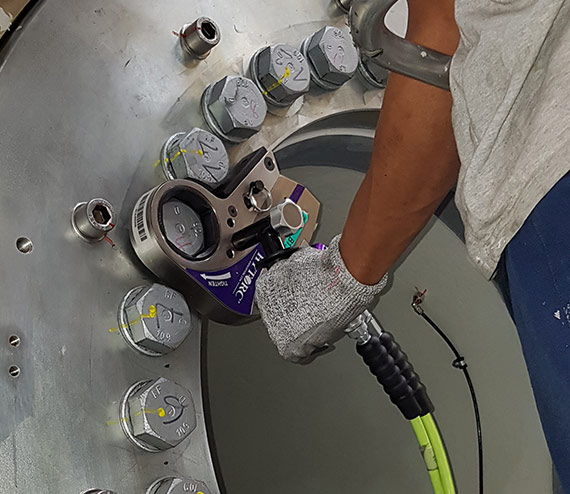
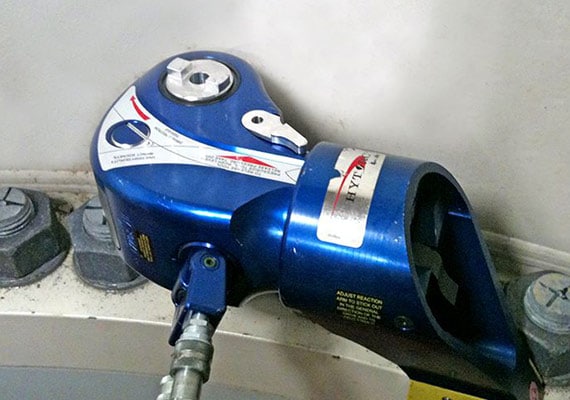
HYTORC innovations on hydraulic wrenches
HYTORC France designs, develops and manufactures hydraulic wrenches since 1968. HYTORC is the forerunner of all the major innovations in the sector including :
- the hydraulic wrench cycle counting system for better monitoring of the equipment fleet and optimal scheduling of maintenance operations
- ratchet lock for square drive wrenches and eye wrenches for maximum efficiency of each cylinder cycle
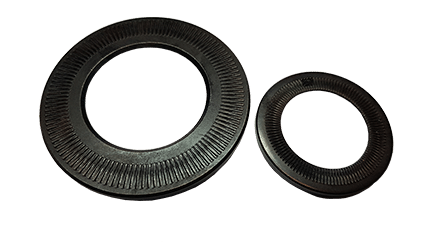
- the coaxial reaction system to be able to use the advanced technologies of HYTORC washers and nuts (Hytorc Z Washer, Hytorc Nut, LoaDisc)
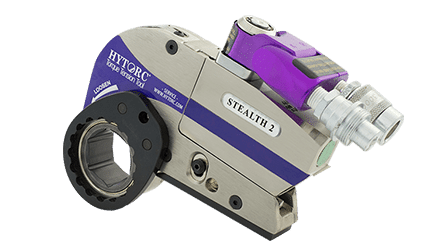
- continuous rotation (on XXI) and double piston (on STEALTH hydraulic wrench) for unparalleled speed
- the hydraulic feeding turret that can be oriented on 2 or 3 axes for more ergonomics
Details of the major technologies of a hydraulic wrench
Double Effect Hydraulic Wrench
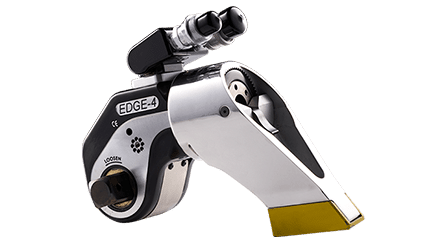
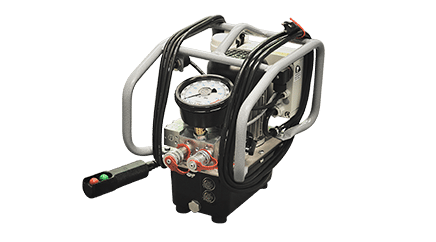
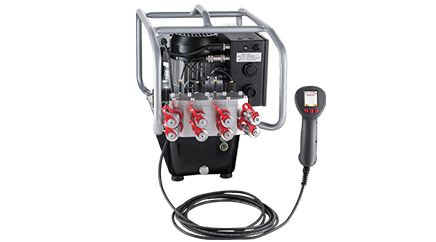
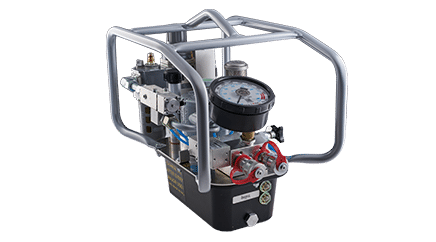
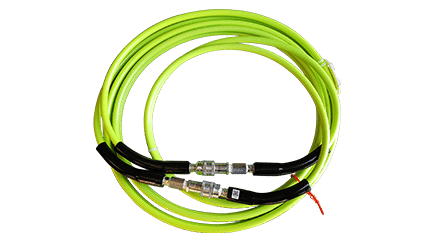
The driving force of the hydraulic torque wrenches is provided by a 700 bar double-acting cylinder integrated into the chassis. The thrust pressure is set on (or controlled by) the hydraulic pump so that it has an adjustable and controlled effort. For speed, the return is done at low pressure to exploit the best possible flow from the hydraulic pump. A hydraulic torque wrench HYTORC is thus supplied by a twin hose where one hose corresponds to the High Pressure circuit (Thrust) and the other to the Low Pressure circuit (Return).
Monobloc chassis
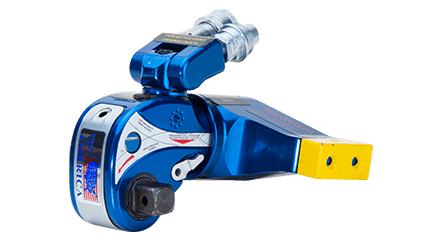
The frame of the hydraulic wrench fulfills several functions: it integrates the hydraulic cylinder and the mechanical drive. The reaction arm is also attached to it and is therefore subject to great stress. For more resistance, HYTORC manufactures its frames in a single block of aluminum alloy that offers the strength necessary for a safe work.
Anti-Return System
Torquing introduces torsion into the bolt, which seeks to release itself as soon as the tool releases its force (piston return). The HYTORC Anti-Return Mechanism retains this relaxation throughout a tightening operation while this torsion increases as the wrench cycles and the applied torque increases. Each cycle of the hydraulic cylinder is therefore 100% efficient, as it does not have to take up the relaxation usually released at the end of the previous cycle. This mechanism not only ensures greater productivity, but also greater safety, as the reaction arm or heel remains in place during tightening, limiting the risk of crushing injuries to operators.
Torsion in the bolt is linked to friction in the threads, and its amplitude is proportional to the bolt’s useful length. The Anti-Return system is therefore even indispensable for certain loosening operations.
3 Piece Moving Mechanism
This system consists of a cage guiding a toothed wheel and a 5-tooth piece taking the force of the piston to drive the rotation. This last part is maintained in contact with the wheel by springs that allow it to jump the teeth when the piston returns. The hydraulic torque wrench HYTORC never locks on the bolt because it has a natural tendency to move away from its fulcrum when the piston returns. This mechanism is simple and has been proven for over 30 years.
Square Fluted Conductor
The transmission of torque between the key and the socket is ensured by the square drive. HYTORC has replaced the sliding square by a splined shaft with a square end because for some applications, the space is limited and the size of the wrench + socket (Female or Male) is too important. It is therefore possible to replace the Square Spline Conductor with a part with a Male Hexagonal end or even a Female Hexagonal end (direct socket) instead of the square end. The Grooved Conductor Square (or direct socket) is held by a push button cap at the other end allowing it to be released to be turned over and reversed in the Tightening / Loosening direction.
Clamping without reaction arm
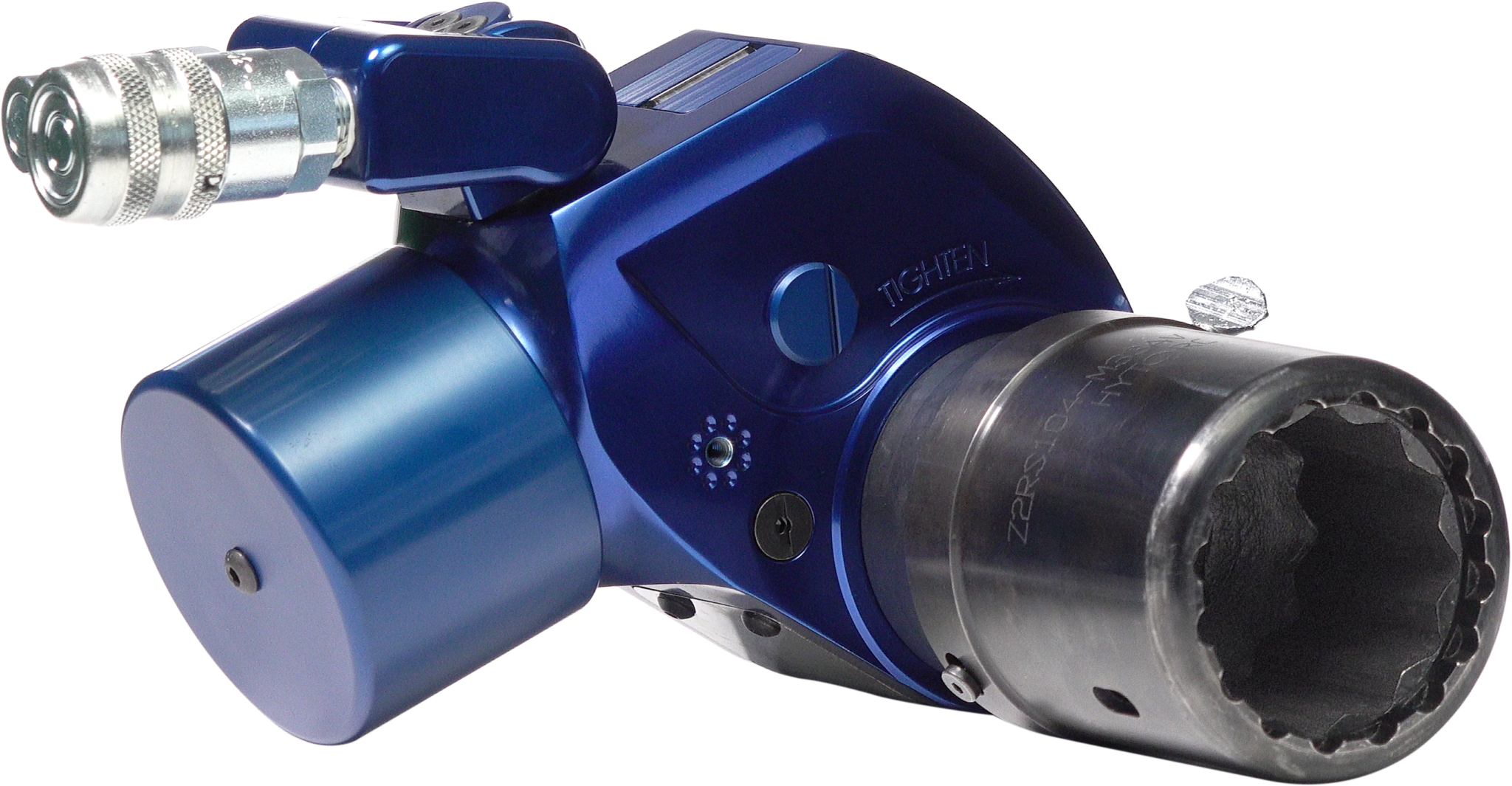
To avoid the risk of pinching operators, Clamp NUTs and Z Washers can be used as reaction points. The reaction arm is then replaced by a bell or a driver that rests directly on these accessories and without an arm that moves around the wrench that can hit and/or pinch the operator. In addition to the safety aspect, the quality of the tightening is also improved, as there is no more shearing stress applied to the bolt during tightening, as all the forces are distributed evenly around the axis.
Thin Link Tape and On-line Reaction
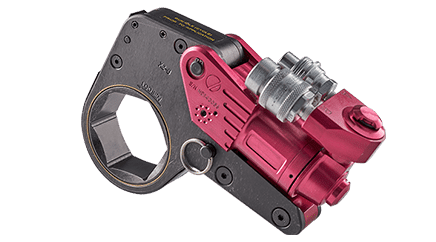
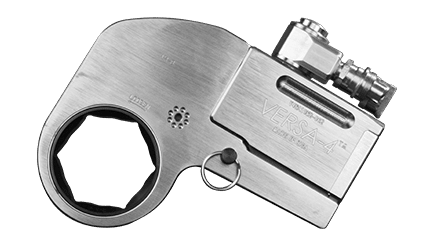
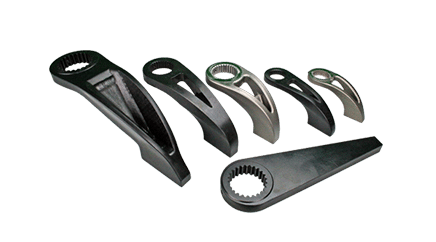
For the hydraulic eye wrenches, the Cassette which is positioned directly on the nut or the head of the screw to be tightened is manufactured with the minimum thickness necessary for the transmission of the tightening torque in order to favor compactness and to be able to pass everywhere where space is restricted. The links of each model are the same thickness and their radius is related to the size of the female hexagon, always with the aim of having the most compact clamping tool possible to access limited spaces. Hydraulic wrench links provide a bearing surface at the heel under the cylinder section that allows for in-line reaction at the same level as the torque application area.

























 Delivery upon validation of the order