
Tightening COUPLE and ANGLE

Torque tightening is a simple and quick method of tightening bolts, but the tension resulting from torque tightening depends on the coefficient of friction involved in tightening.

Friction is a difficult phenomenon to evaluate and quantify, so the accuracy of theclamping force in tension corresponding to the applied torque is relatively approximate unless tedious experimental designs are performed on identical conditions.

Torque and Angle tightening is an industrial tightening technique that reduces the uncertainty associated with the coefficient of friction by acting on the elongation of the bolt during tightening to directly control the applied tension.

Knowing the thread pitch, it is easy to calculate the angle the nut or screw must turn to give the desired tension and have better tightening control.

Contact us

Torque angle clamp - Hytorc France Atlantique

Tightening application with the COUPLE and ANGLE method

Setting a Torque and Angle Tightening

As the name implies, this tightening procedure consists of applying the tightening in 2 steps: a docking torque and then rotating the bolt by a set angle.

Therefore, a torque tool is needed that can be set to easily perform the first step and then to perform the required angle of rotation (a step that may require a significant increase in torque).

For the completion of the angle step, the final torque achieved by the tool may be different from one bolt to another, so it is necessary to control the angle and no longer drive the torque.

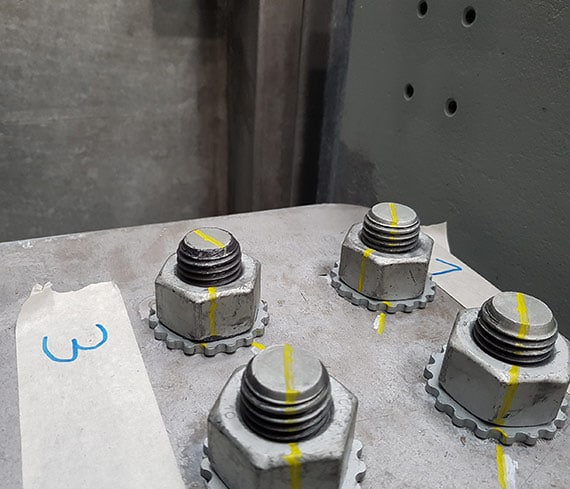
  • Either the angle control is done visually by the operator who has made markings after the docking torque step and therefore knows when to stop tightening.
  • Either the clamping system includes an angle sensor that stops the clamping tool as soon as the angle is reached and the control is therefore automatic.

Contact us

angel couple clamp - Hytorc France

Electronic Screwdrivers Torque and Angle

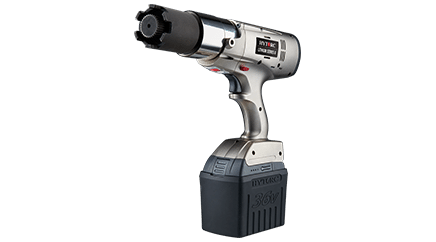
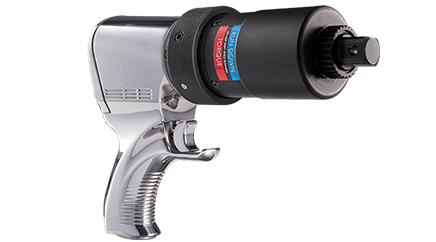
The electronic screwdrivers HYTORC integrate an angle sensor which allows to indicate to the screwdriver when to stop turning the nut or the head of screw to finalize the parameterized tightening.

The software of the HYTORC electric screwdrivers includes by default the torque and angle function.

The operator sets the two values himself: torque in N.m and Angle in Degrees (or other units).

The electronic torque screwdriver HYTORC applies the set torque and then starts to measure the rotation while continuing the tightening to stop when the set angle is reached.

Contact us

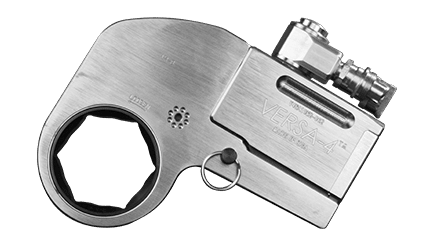
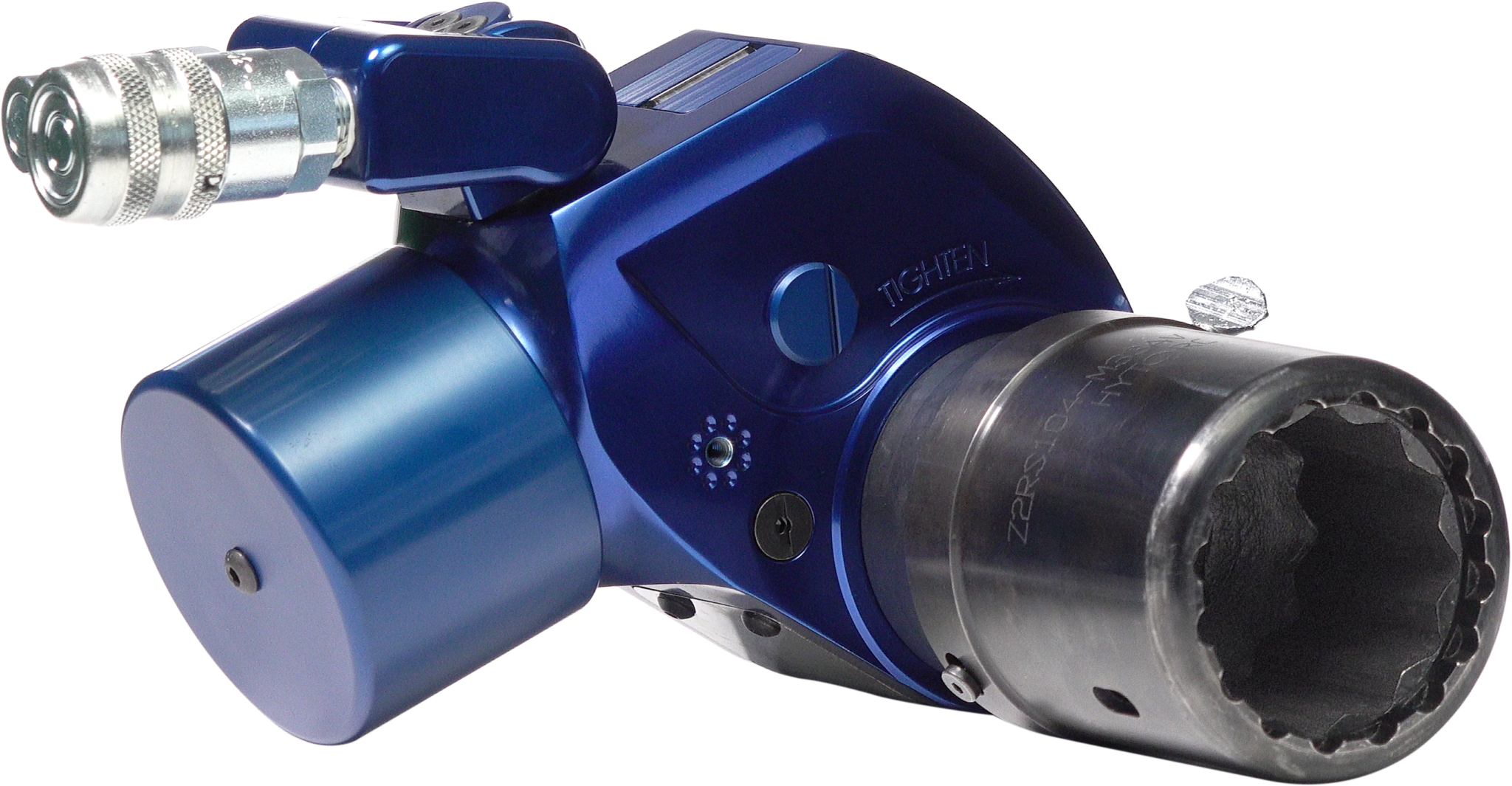
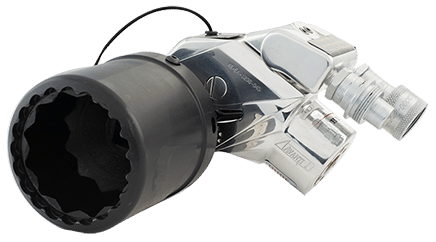
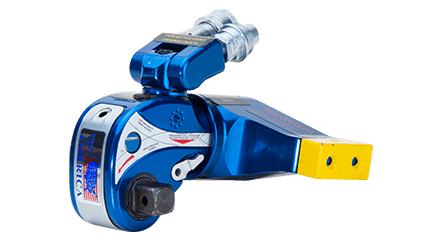
Torque and Angle Tightening with Hydraulic Wrenches

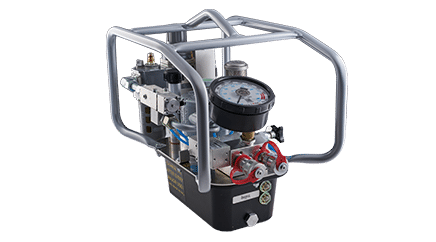
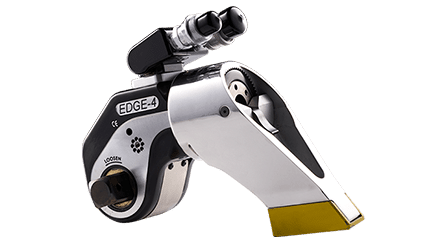
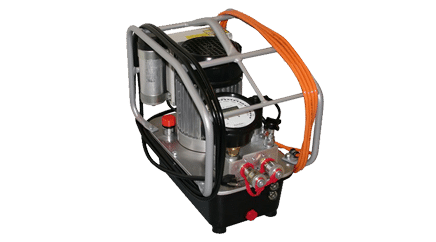
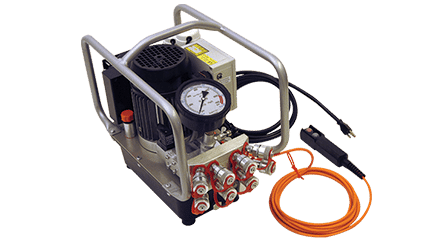
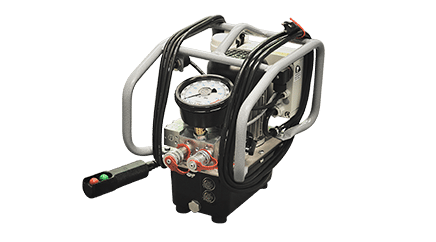
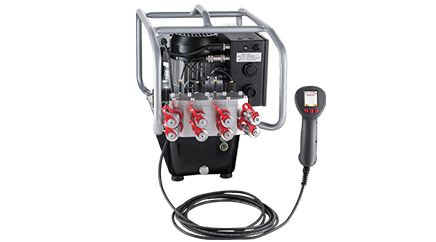
HYTORC Torque Tightening with hydraulic wrenches involves tightening control from the hydraulic pump.

To be able to control a tightening from the angle data, the pump must integrate this functionality (or be updated in this sense) and equip the hydraulic key with an angle sensor which will give the information to the pump.

Torque and angle tightening are performed in the same way: the pump makes a torque tightening by sending the corresponding pressure level and then it starts measuring the angle by increasing the pressure and stops as soon as the angle is reached.

For traceability, it is possible with data logging pumps to know the torque reached at the time of stopping and to study the different torque values obtained from one bolt to another to detect forgotten lubrication, material defects, or problems with damaged threads…

Contact us

torque angle clamp - Hytorc

Why rely on the Angle

When tightening with torque, the nut or screw is rotated by the tool and this movement generates friction.

When tightening screws, this friction occurs in the threaded hole where the screw is housed and also under the screw head. When tightening a nut, this friction occurs in its thread and on its bearing face.

It is advisable to grease these friction zones to limit the loss of force they generate so that less torque is needed to apply the same tension in the bolts.

The type of grease or lubricant used and the way it is applied affect the coefficient of friction which gives the relationship between torque and tension.

The most effective way to control the applied tension is to measure the elongation of the bolt and this value can be given by the angle of rotation made by simply knowing the pitch of the thread.

Contact us